

You only have to watch a pavement for a minute to spot it. One person cuts through the crowd with a fixed stare, elbows driving, visibly irritated by anyone who gets in the way. Next to them, someone else ambles along, almost floating, headphones on, taking in the street as though there’s all the time in the world. Same city, same stretch of ground-two very different inner worlds expressed through walking speed. Researchers have begun putting numbers to this, and one finding keeps resurfacing: fast walkers are often less happy yet more intense and sharply directed towards their goals, while slow walkers tend to tilt the other way.
Sometimes your pace says what you never say out loud.
What your walking speed quietly reveals about you
Stand on a platform during rush hour and you can nearly “hear” personalities in the rhythm of footsteps. There are the striders-quick, decisive, threading through gaps and exhaling in frustration when someone stops abruptly. And there are the drifters-slower and more adaptable, pausing to check messages or glance up at a poster. One group moves as if life is an endless deadline; the other moves as if life is a playlist.
When researchers compare walking pace across very large groups, they repeatedly land on a similar theme: speed often hides tension, while slowness can shelter a steady, everyday kind of contentment.
One major UK study that followed more than 400,000 people asked a straightforward question: “Do you usually walk at a slow, average, or brisk pace?” Those who described themselves as brisk walkers were more likely to see themselves as ambitious, career-focused, and high performing. Their stride mirrored a packed diary. At the same time, these brisk walkers also tended to report more stress, less leisure time, and more frequent feelings of being under pressure.
Self-identified slow walkers looked different in the data. They tended to score lower on perceived stress and a little higher on life satisfaction, and they were more likely to agree with sentiments such as “I take life as it comes.” That doesn’t mean they were less capable-more that they were less ruled by the clock.
Psychologists often interpret walking speed as an outward sign of an inner tempo. Fast walkers are more likely to show “time urgency”: the persistent sense they are late for something even when nothing is actually imminent. That urgency can be useful-it can support goal chasing, promotions, and big life moves when required. But it can also pull people towards anxiety, impatience, and the belief that rest is “wasted time”.
Slow walkers are often running a different internal programme: presence over productivity. They can still be purposeful, but the volume of the pressure is turned down. The same pavement becomes two different realities depending on how quickly your nervous system is trying to move.
It’s also worth remembering that pace isn’t only psychological. Age, injury, disability, fitness, and even the weight of a bag can change walking speed dramatically-so it’s best read as a signal, not a label. What matters most is the pattern: is your pace a flexible choice, or a rigid default?
A second overlooked factor is context. People often walk quickly in crowded city centres because it’s the only workable way to get through, not because they are naturally stressed. Equally, walking slowly on a quiet street might reflect safety and spaciousness, rather than low ambition. Your environment can “coach” your pace just as strongly as your personality does.
Walking speed, fast walkers and slow walkers: can you change your pace without losing yourself?
If brisk walking is your natural setting, you don’t need to suddenly drift about like a Sunday tourist. A small adjustment can change the emotional flavour of your day without changing who you are. Try choosing one “transition walk” (from the station to home, or from the office to the bus stop) and deliberately reduce your pace by about 20–30%. Keep moving; don’t turn it into an elaborate mindfulness ritual. Simply soften your steps and broaden your gaze.
Let your attention land on things you usually miss: a shop window, a dog tugging at a lead, the slice of sky between buildings. You’re still getting where you’re going-you’re just doing it with less edge.
The issue isn’t brisk walking in itself. The risk is staying at that speed all the time. That’s when intensity can quietly harden into agitation, and you find yourself snapping at strangers for the crime of being in front of you. At the other extreme, moving slowly all the time can become a subtle way to dodge responsibility-stretching time so you don’t have to face what’s next. Most people recognise the moment: your feet speed up or slow down to match what you’re trying not to feel.
In reality, nobody manages this perfectly day after day. Even experimenting once or twice a week can remind your nervous system it has more than one gear.
When psychologists speak with high performers about pace, many describe it as protection-almost like armour. One executive put it like this:
“I walk fast so no one stops me. The moment I slow down, people start asking for things, and I’m already drowning.”
That reaction is common. Fast walkers sometimes use motion to guard their intensity. Slow walkers, by contrast, may use slowness to guard their peace-as though time can’t catch them if they refuse to match its speed. Between those two poles, there’s a useful middle ground.
You can start finding it with a few small experiments:
- Pick one daily walk and make it 10% slower than normal, purely as a test.
- On a different day, intentionally speed up a relaxed stroll and watch how your mind responds.
- For the first 30 seconds of any walk, notice your shoulders and jaw-then unclench both.
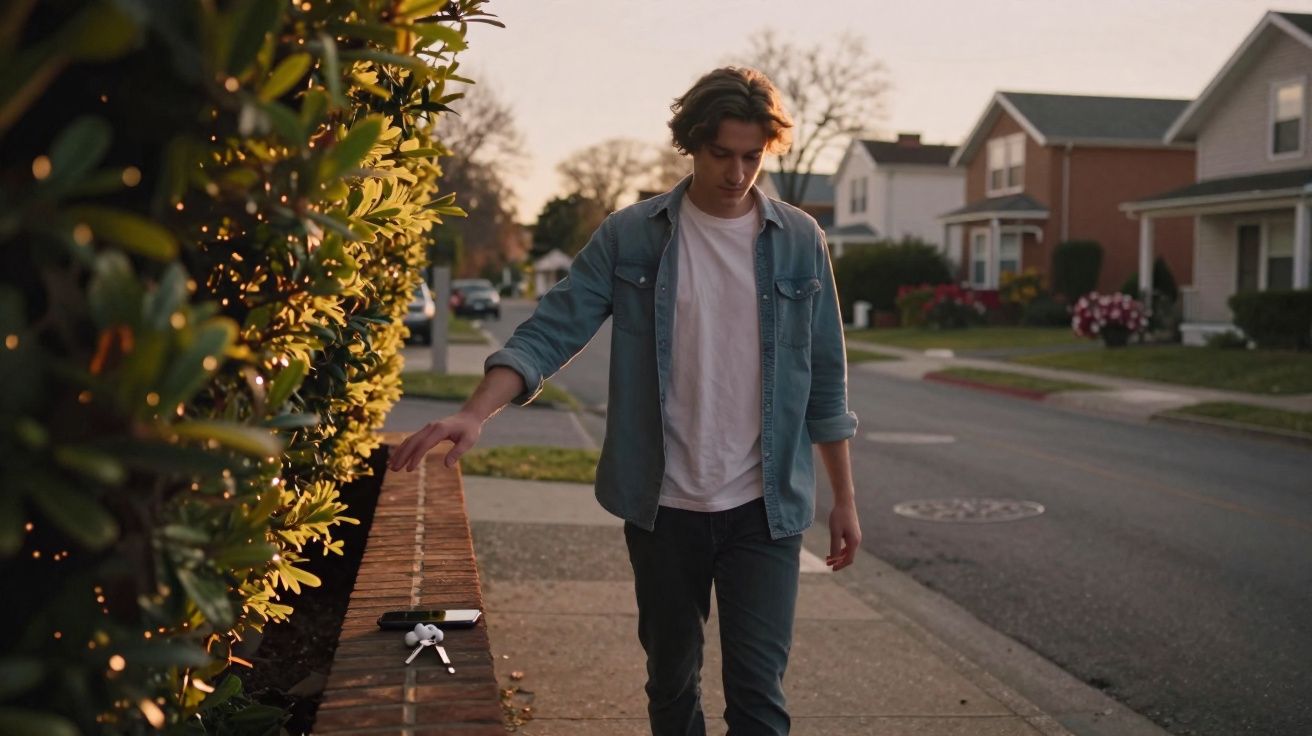
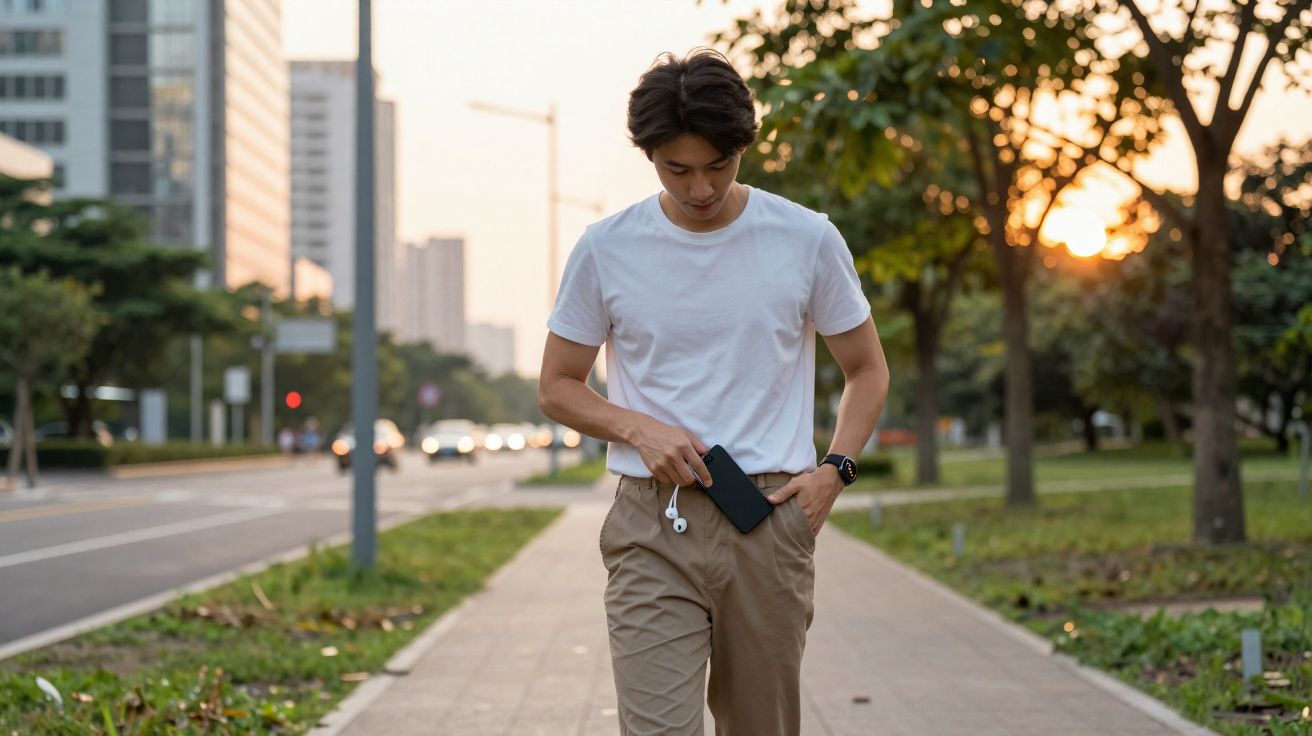
- Once a week, walk without holding your phone and see what thoughts show up.
- Walk alongside a friend and let their natural pace set the rhythm, rather than yours.
Each adjustment is less about fitness and more about meeting yourself where your feet already are.
Rethinking success, one step at a time
The idea that fast walkers are less happy yet more goal oriented sits right inside a cultural contradiction. We praise people who move quickly, decide quickly, and reply quickly. We hand out promotions, approval, and money for urgency. Then we share quotes about slowing down, breathing, and “enjoying the journey”. It’s no surprise our bodies get mixed messages.
For some people, a brisk pace genuinely fits their nature-it feels clean, focused, and right. For others, it’s a costume worn to cope in a world that worships speed.
So the better question may not be “Is fast or slow better?” but “Does my walking speed feel like mine, or like pressure I’ve borrowed from someone else?” A brisk walker who chooses their pace can be formidable: alert, directed, fully awake. A slow walker who owns their rhythm can be quietly influential-calm in a way that steadies everyone around them. Both can achieve a lot; both can be deeply unhappy; both can also be quietly content.
What changes things is noticing the story your feet are telling. Next time you head down the street, do a quick check-in: are you chasing something, avoiding something, or actually arriving?
| Key point | Detail | Value for the reader |
|---|---|---|
| Walking speed reflects inner tempo | Fast walkers tend to show time urgency and goal focus; slow walkers often show presence and lower stress | Helps you treat your habits as signals rather than personal flaws |
| Both extremes have hidden costs | Constant speed can lock you into stress or avoidance without you noticing | Encourages you to adjust pace deliberately instead of living on autopilot |
| Small experiments change the experience | Altering one daily walk, relaxing the body, or matching someone else’s pace | Offers realistic ways to rebalance intensity and happiness |
FAQ
Is walking fast always a sign of stress?
Not necessarily. Some people naturally move quickly and feel good doing so. It becomes a concern when your fast pace is driven by constant anxiety, anger at others, or the sense that you’re never caught up.Are slow walkers really happier?
On average, studies show slightly higher life satisfaction and lower stress among slower walkers, but it’s a trend rather than a rule. Health, income, relationships, and many other factors also shape happiness.Can I train myself to walk at a different speed?
Yes, up to a point. By practising slower or faster walks in specific moments, you can widen your comfort zone. Your “default” pace may stay similar, but your flexibility improves.Does walking speed affect health risks?
Brisk walking is associated with better cardiovascular health and longer life. At the same time, ultra-fast, tense walking driven by chronic stress can undermine wellbeing through raised blood pressure and poor recovery.What if my environment forces me to walk fast?
City life, demanding work, or parenting can push your pace. Try creating micro-moments-the walk to your car, a loop around the block-where your steps belong to you rather than your schedule.



Comments
No comments yet. Be the first to comment!
Leave a Comment